Heel Pain
Relief.
Overcome plantar fasciitis and chronic heel pain with advanced conservative therapies and minimally invasive surgical solutions in Peoria.
What is Plantar Fasciitis?
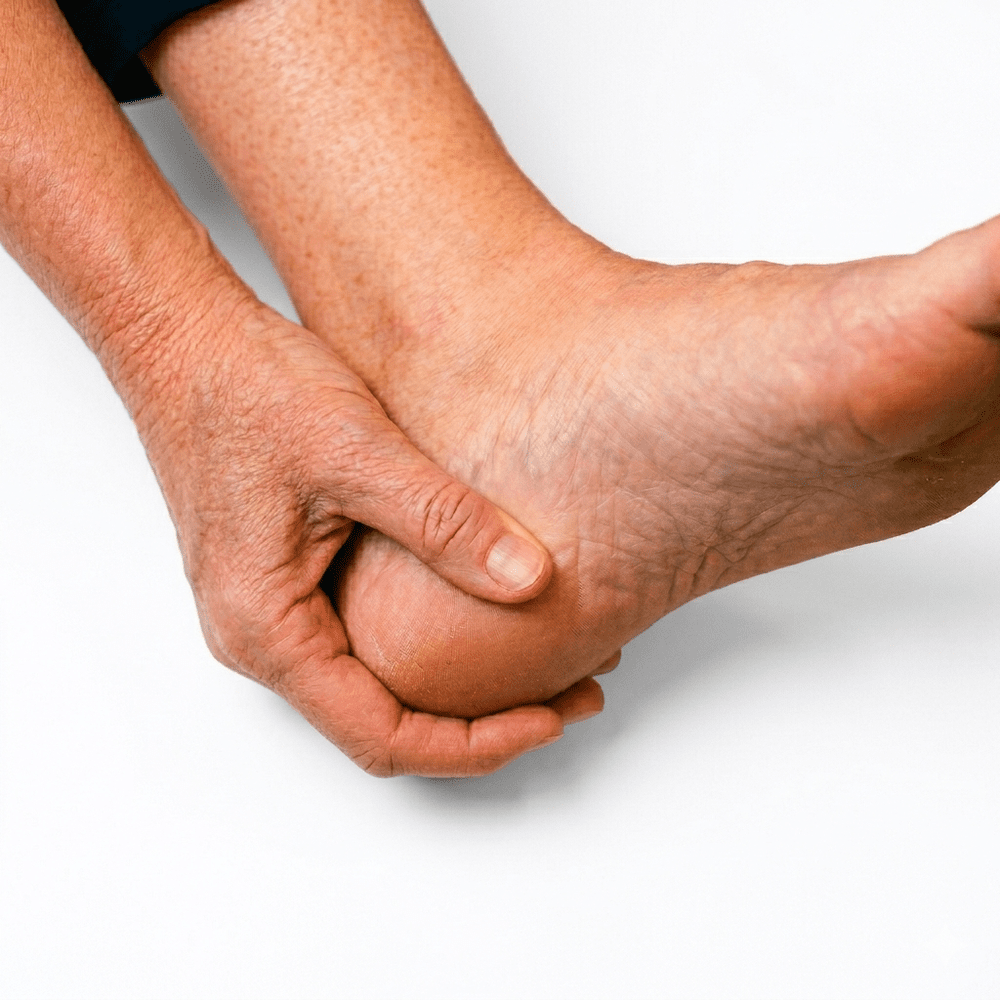
The most common cause of heel pain, resulting from inflammation of the plantar fascia—a thick band of tissue that runs along the bottom of the foot connecting the heel bone to the toes.
Common Symptoms
Patients often describe a sharp, stabbing pain with their very first steps in the morning or after periods of rest. It typically develops from overuse, unsupportive footwear, or tight calf muscles.
The Expert Approach
Dr. Kaveh Panahi utilizes an individualized approach, starting several in-office techniques including 3D-scanned orthotics and targeted physical therapy, and use of medication.
Heel Pain
Treatments
At Acacia Foot and Ankle Surgeons, we offer a comprehensive and individualized approach to treating plantar fasciitis. Conservative management begins with a combination of targeted physical therapy, stretching routines, and custom orthotics to support the arch and offload pressure from the fascia. For more acute or inflamed cases, we may administer corticosteroid injections to reduce pain and inflammation.
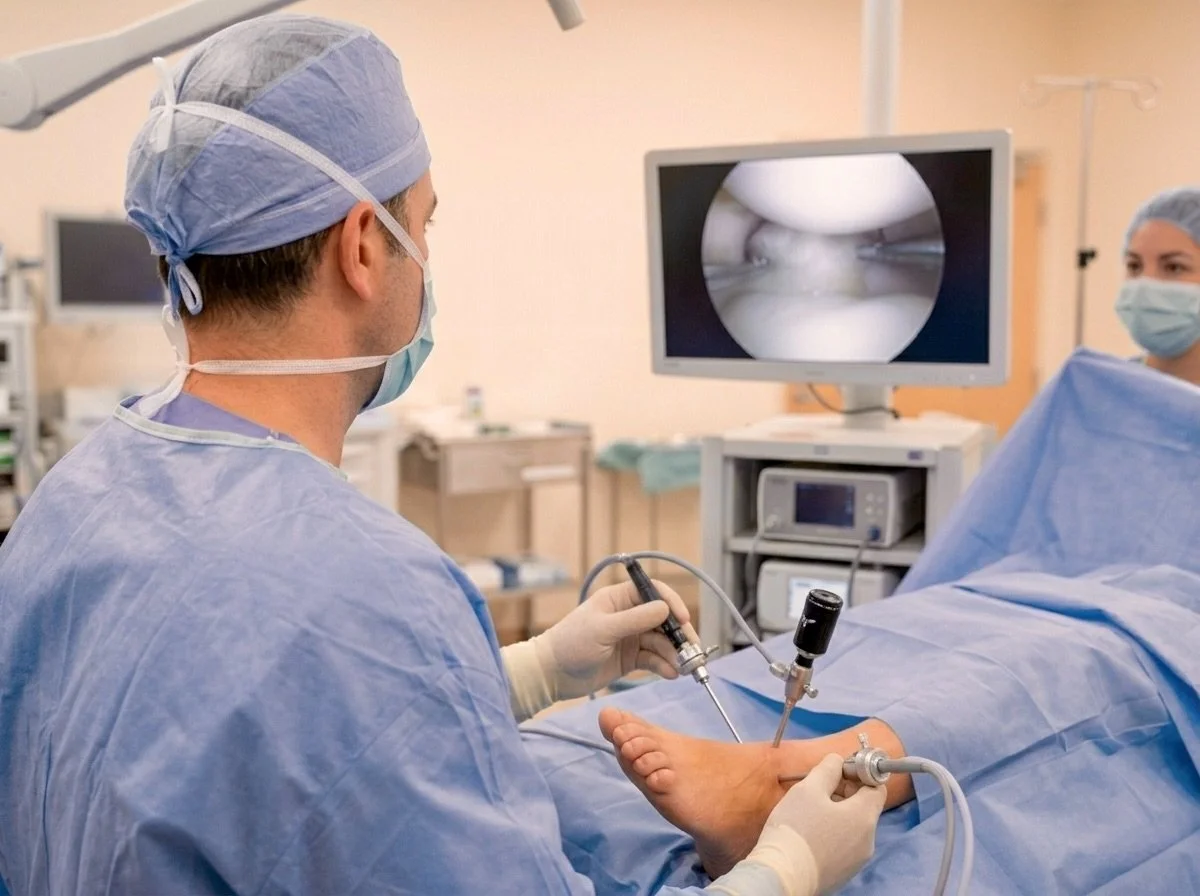
When symptoms persist despite conservative care, we offer advanced minimally invasive surgical options, including endoscopic plantar fasciotomy — a technique that releases tension in the fascia through tiny incisions using a camera-guided instrument. In cases where tight calf muscles contribute to the problem, we may recommend a minimally invasive gastrocnemius recession, which lengthens the calf muscle to relieve pressure on the plantar fascia. These procedures promote faster recovery, minimal scarring, and high rates of long-term pain relief.
The Treatment Pathway Step-by-Step
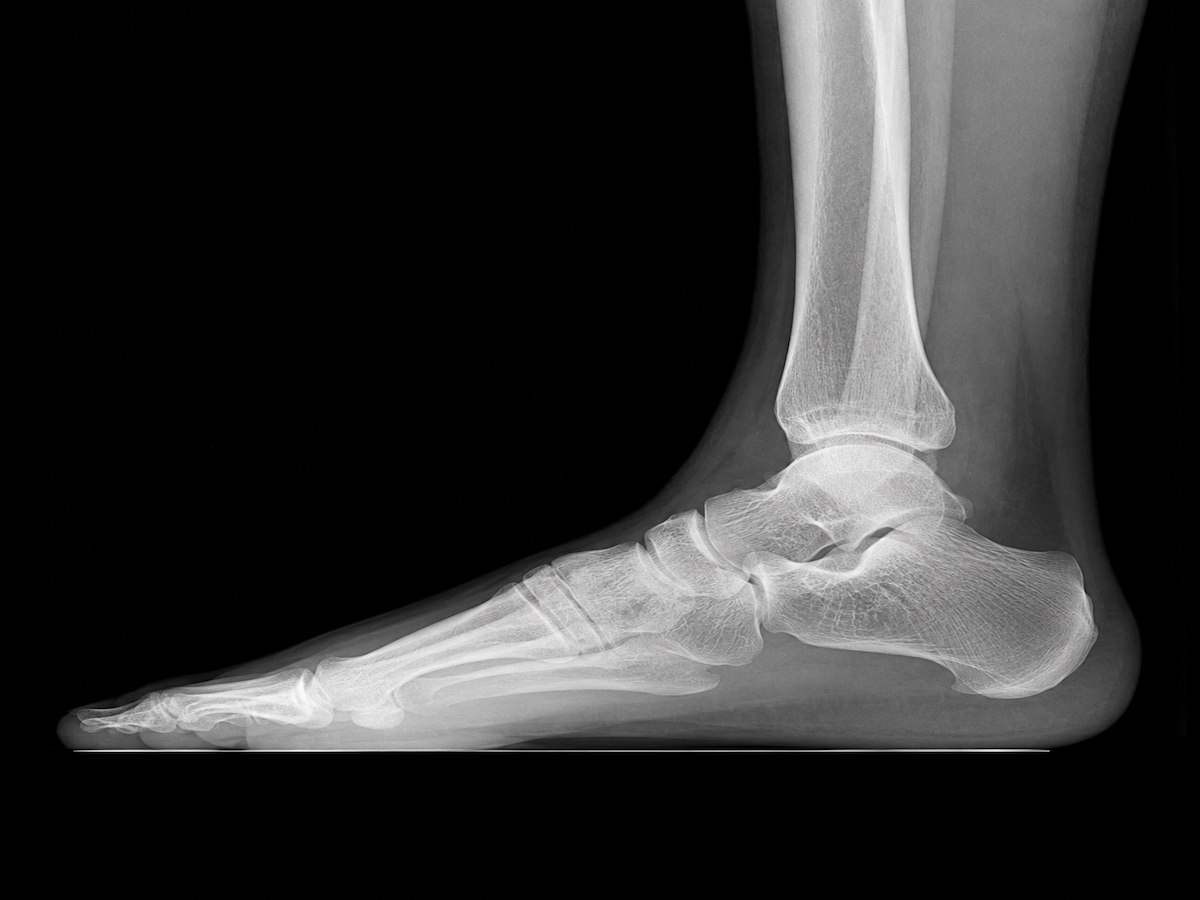
Diagnostics
We start with a thorough clinical exam, biomechanical analysis, and in-office X-rays (or MRI if needed) to pinpoint the exact structural cause of your heel pain.
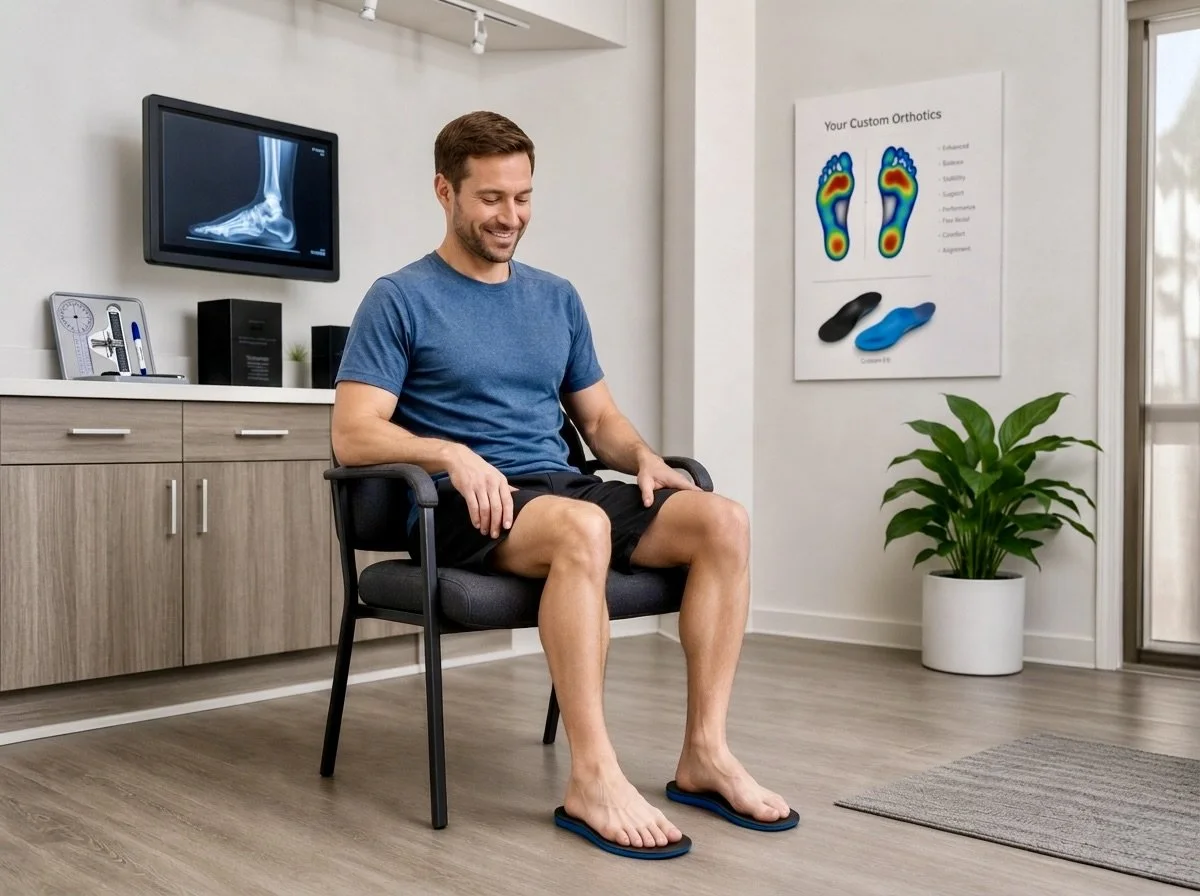
Conservative Care
Initial treatment focuses on targeted physical therapy, stretching routines, and custom 3D-scanned orthotics to support the arch and offload pressure from the fascia.
Advanced Therapy
For acute inflammation, we administer powerful corticosteroid injections or utilize Radial Shockwave Therapy to quickly reduce pain and stimulate your body's natural healing.
Endoscopic Release
When symptoms persist despite all conservative measures, we perform a minimally invasive endoscopic release of the fascia or calf muscle to provide a permanent solution.
Comprehensive Non-Surgical Care
Dr. Panahi may first recommend several nonsurgical methods to treat your heel pain, including: Rest, Ice, New shoes, Pain & anti-inflammatory medications, Physical therapy, Bracing or splints, Taping, Steroid injections, custom orthotics, protective boots (for stress fractures or ligamentous tears), or advanced non-surgical treatments and procedures. The practice reserves surgical procedures for patients who don’t find relief with conservative, nonsurgical care.
Orthotics
We offer both state-of-the-art custom and high-quality over-the-counter orthotics right in our office, using advanced 3D scanning technology for precise foot mapping. These orthotics are designed to provide optimal support, improve foot alignment, and reduce pressure points—especially beneficial for patients dealing with heel pain from plantar fasciitis or flat feet. By restoring proper biomechanics, they help relieve discomfort, improve stability, and support long-term foot health.
Administration of Corticosteroid
For patients with persistent heel pain, we offer corticosteroid injections as an effective in-office treatment option. These injections deliver powerful anti-inflammatory medication directly to the affected area, helping to quickly reduce pain and swelling—particularly in conditions like plantar fasciitis. While often used as part of a broader treatment plan, steroid injections can provide significant short-term relief and allow patients to resume normal activities more comfortably. Our team carefully evaluates each case to determine if this option is appropriate and discusses potential risks and benefits with you beforehand.
Physical Therapy
In addition to in-office care, we offer comprehensive home and professional physical therapy solutions tailored to help treat and manage heel pain. Our guided home exercise programs are specifically designed to stretch and strengthen the foot and calf muscles, improve flexibility, and reduce strain on the plantar fascia. These evidence-based routines complement in-office treatments and are ideal for promoting healing and preventing recurrence of conditions like plantar fasciitis. For more complex cases, we can also coordinate professional physical therapy referrals to ensure a well-rounded recovery plan.
Advanced Non-Surgical Option
We also offer advanced, non-surgical treatment options designed to stimulate the body’s natural healing response and support long-term relief from heel pain. These therapies are ideal for patients seeking alternatives to surgery, with minimal downtime. To learn more about these innovative solutions and how they may benefit you, please visit our pages on Radial Shockwave Therapy and Advanced Non-Surgical Options.
Surgical Treatments
Before recommending surgery, Dr. Panahi performs a thorough exam, orders an X-ray, and may suggest other advanced imaging including MRI.
Endoscopic Plantar Fasciotomy and Endoscopic Gastrocnemius Recession procedures are two advanced, minimally invasive procedures used to treat chronic heel pain and plantar fasciitis when conservative treatments have failed. Endoscopic plantar fasciotomy involves using a small camera and specialized instruments to release a portion of the tight plantar fascia through a tiny incision, relieving tension and pressure on the heel with minimal disruption to surrounding tissues. Similarly, endoscopic gastrocnemius recession targets tight calf muscles that contribute to excessive strain on the plantar fascia. By lengthening the gastrocnemius muscle through a small incision behind the leg, this procedure improves ankle flexibility and reduces mechanical overload on the heel. Both techniques are designed to offer faster recovery, less post-operative pain, and minimal scarring, allowing patients to return to activity with improved comfort and mobility.
Other Causes of Heel Pain
Heel pain isn't always Plantar Fasciitis. We diagnose and treat the full spectrum of heel conditions.
Tarsal Tunnel Syndrome (TTS)
Flatfoot deformity, chronic swelling, arthritis, diabetes, and varicose veins are the most common causes of TTS.
Haglund's Deformity
Also called a “pump bump,” this is a gradual growth of bone on the back of your heel that becomes painful over time.
Achilles Tendinitis
The Achilles tendon connects your calf muscle to your heel bone — when overused, it can lead to pain, swelling, and stiffness in the back of your heel.
Bursitis
Bursitis can occur if you spend a lot of time on your feet, causing fluid-filled sacs (bursae) to swell.
Stress Fracture
This is a rare condition that usually develops only in patients participating in high-impact activities.
Non-Surgical Path
We reserve surgery strictly for patients who do not find relief with conservative care. Most heel pain is successfully resolved with our advanced non-surgical protocols.
- State-of-the-Art Custom 3D Orthotics
- Corticosteroid Anti-inflammatory Injections
- Radial Shockwave Therapy
- Guided Physical Therapy & Bracing
Your Consultation
During your visit, Dr. Panahi uses high-resolution digital imaging to evaluate the mechanical structure of your foot. We don't just treat the pain; we target the underlying biomechanical cause for long-term healing and relief.
Analysis
Comprehensive exams and imaging to rule out stress fractures or tears.
Custom Plan
Tailored recovery protocols designed specifically around your lifestyle.
*Results and recovery times may vary depending on the individual patient, condition severity, and adherence to physical therapy protocols.